Week 1: Build target lists
Define target companies, teams, and role families before sending any message. Focus improves response quality and prevents random outreach fatigue.
Collect hiring signals from team pages, leadership updates, and product launches. Early signals usually appear before polished job descriptions.
Week 2: Send high-context messages
Short outreach works best when it includes context: why this team, what role fit, and one credible proof point. Generic cold messages underperform because they force the reader to guess your fit.
Use role-specific proof in one sentence. Keep ask size small and easy to answer.
Weeks 3 and 4: Follow-ups and referrals
Run structured follow-ups on a fixed cadence. Most useful replies arrive after the first follow-up, not the first message.
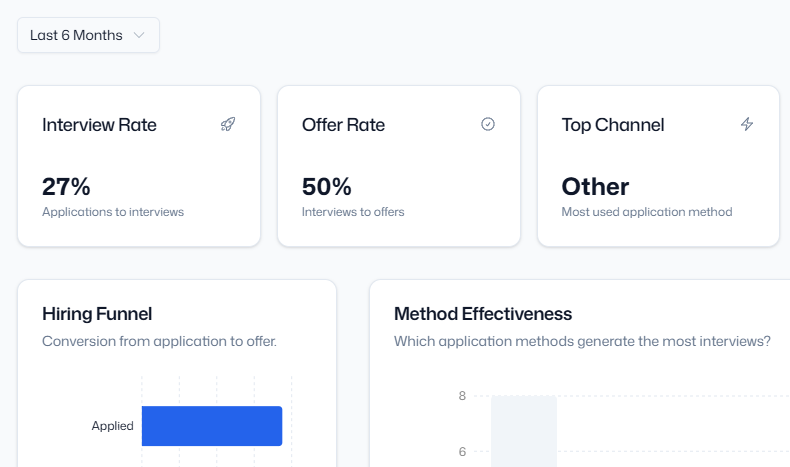
Track response patterns by source and message type. Your best channels become obvious after a few cycles if you measure consistently.